What Bat Speed Do You Need to Play College Softball?
Updated November 2026
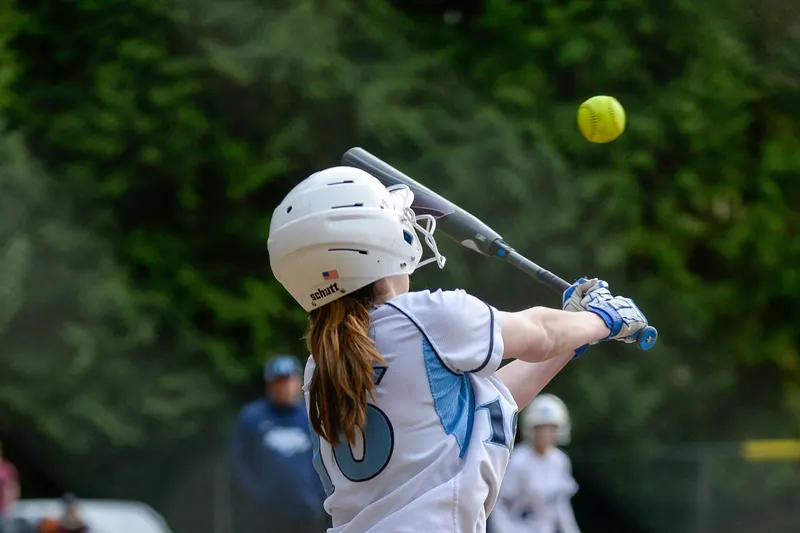
Bat speed is how fast the barrel moves at contact. It’s the engine behind exit velocity, and swing sensors make it easy to track at home. Coaches still recruit on exit velocity and game results first, so treat bat speed as a training number that shows where her exit velocity is headed.
- D1 hitters usually swing about 60 mph or faster; strong ones reach about 67.
- D2 runs about 57–64 mph, and D3, NAIA and JUCO about 54–61. Slapper ranges run about 4 mph lower.
- No published college standard exists for bat speed by division, so these are Softball Future estimates. Exit velocity matters more.
On this page
Bat speed by level
Higher is better. Each range runs from where a typical recruit at that level starts to a strong recruit.
| D1 | D2 | D3 / NAIA / JUCO | |
|---|---|---|---|
| Full-swing hitters | 60–67 | 57–64 | 54–61 |
| Slappers | 56–63 | 53–60 | 50–57 |
These ranges are Softball Future estimates. Blast Motion publishes a college softball bat speed range of about 58 to 70 mph, but it isn’t split by division, so we use it as a reference and label our ranges as estimates in the methodology. In our evaluation, bat speed is one of the offense numbers alongside max and average exit velocity.
For grades, rules and every number at one level, see the D1, D2, D3, NAIA and JUCO requirements.
How bat speed is measured
- Swing sensors such as Blast Motion and Diamond Kinetics attach to the knob and read barrel speed on every swing.
- Showcases often report peak bat speed from the same sensors.
- Use the same sensor every time. Different brands can read a few mph apart, so compare her numbers with her own history first.
- Report average bat speed from a full session alongside the peak. Coaches trust a repeatable number more than one big swing.
Bat speed vs exit velocity
Exit velocity is what coaches recruit on, because it includes contact quality. Bat speed is one input: a hitter with high bat speed but low exit velocity is usually missing the sweet spot or losing energy in her swing path. If her bat speed is in a level’s range but her exit velocity isn’t, work on contact quality. If both are low, work on strength and speed. See exit velocity by level for the number coaches check first.
How to raise bat speed
- Overload and underload bats: short sets with bats a little heavier and lighter than game weight.
- Rotational med-ball throws: 3 sets of 6 each side, two or three times a week.
- Lower-body strength: trap-bar deadlifts, split squats and jumps build the force the swing uses.
- Track every session on the same sensor so you can see what’s working.
Common questions
What is a good bat speed for a high school softball player?
Do college softball coaches care about bat speed?
Is 60 mph bat speed good for softball?
Where do these bat speed ranges come from?
More recruiting guides
What Exit Velocity Do You Need to Play College Softball?Softball Pitching Speed, Exit Velocity and Speed by AgeCollege Softball Recruiting Standards by PositionRanges are Softball Future recruiting targets, checked November 2026. They are planning targets, not NCAA standards. Players get recruited above and below them. Where each range comes from.